
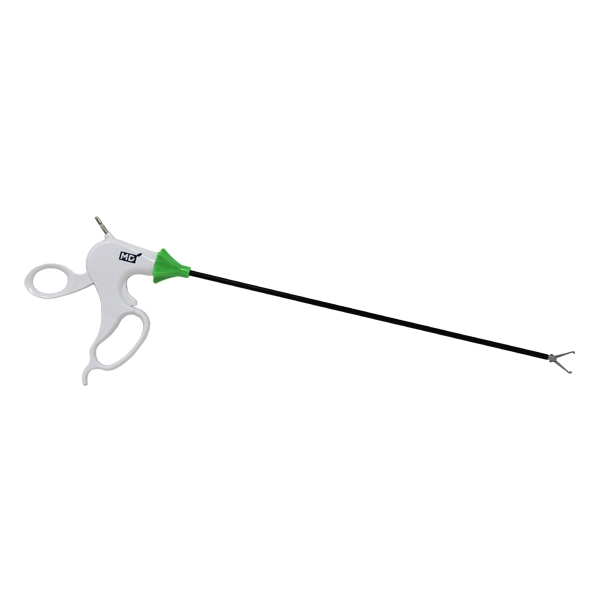


Monopolar Laparscopic Graspers
Key Features of the EndoGuidance Laparoscopic Monopolar Instrument
- Advanced Energy Precision Technology
Designed for top-notch performance, the EndoGuidance monopolar system offers finely tuned energy output, making tissue dissection and coagulation both safe and efficient. Its innovative design minimizes thermal spread, ensuring clean and precise results, which ultimately leads to better surgical outcomes across a variety of laparoscopic procedures. - Ergonomic Comfort and Control
Thoughtfully crafted with the surgeon in mind, the instrument features an ergonomic handle that provides outstanding comfort, balance, and control, especially during lengthy or intricate procedures. Its lightweight build and intuitive grip help to alleviate fatigue, allowing for steady and accurate hand movements that enhance precision. - Multi-Specialty Versatility
This monopolar instrument shines in various fields, whether it’s general surgery, gynecology, or urology. Its adaptable design allows surgeons to confidently tackle multiple minimally invasive techniques while ensuring consistent reliability and performance throughout. - Enhanced Safety and Reliability
With integrated safety features, this instrument guarantees precise energy delivery while safeguarding surrounding tissues from accidental damage. These built-in protections help lower the risk of surgical complications, leading to safer and more predictable operations. - Durable Medical-Grade Construction
Made from high-quality, corrosion-resistant stainless steel, this instrument is reusable, easy to sterilize, and designed to endure the rigors of demanding operating environments. Each unit goes through strict quality testing to meet the highest surgical standards, ensuring long-lasting dependability and precision.
Key Features of the EndoGuidance Laparoscopic Monopolar Instrument
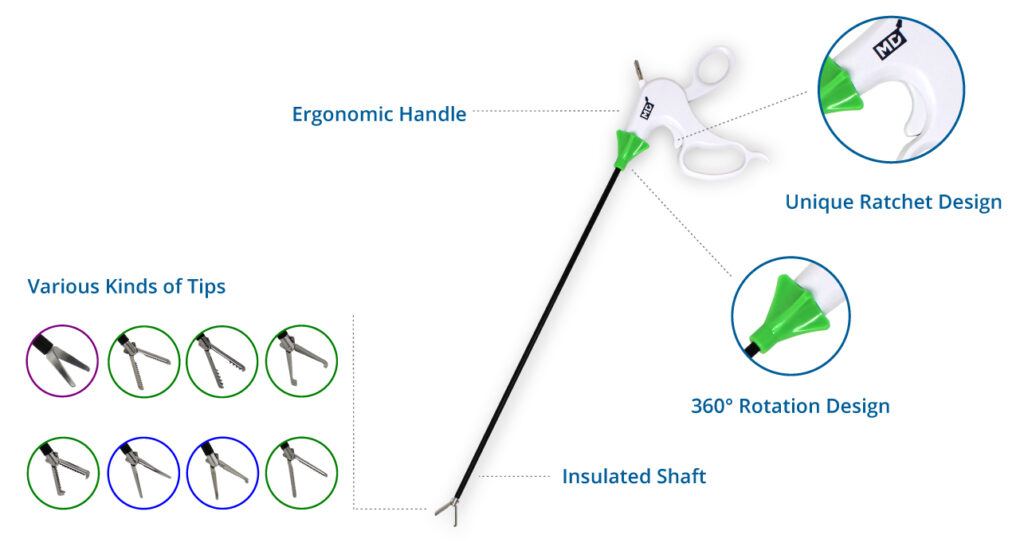
Ergonomic Handle for Enhanced Control and Comfort
Crafted with the surgeon’s workflow in mind, the EndoGuidance instrument boasts an ergonomic, well-balanced handle that provides a natural grip and minimizes hand fatigue during those long procedures. This thoughtful design promotes excellent maneuverability, accuracy, and comfort throughout every laparoscopic operation.
360° Rotating Finger Wheel for Precision Alignment
Experience effortless control with the 360° finger wheel rotation system, which allows for smooth and precise jaw alignment. This full-range motion makes it easy for surgeons to reposition the instrument within the surgical field, boosting precision and efficiency during tissue dissection and coagulation.
Fully Insulated Safety Shaft for Maximum Protection
Designed with patient safety as a priority, the fully insulated extended shaft prevents any unintended energy dispersion and ensures consistent monopolar performance. This cutting-edge insulation technology safeguards surrounding tissue and enhances procedural safety in every operation.
Adjustable Ratchet Lock for Secure Jaw Positioning
The adjustable ratchet mechanism provides reliable locking and angle control, enabling surgeons to secure the jaw without needing to apply continuous hand pressure. This feature enhances stability, reduces fatigue, and supports optimal control during lengthy laparoscopic procedures.
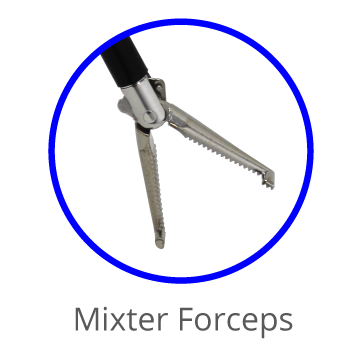
Versatile Interchangeable Tips for Multi-Procedure Adaptability
Built for flexibility, the EndoGuidance monopolar instrument comes with interchangeable tip options to cater to a wide array of surgical applications. Surgeons can swiftly adapt to different procedural needs, ensuring precise performance and consistent outcomes across various specialties.
1. Training and Competency
Only skilled and trained surgical professionals should handle monopolar instruments. Proper training is key to ensuring the right energy application, precise techniques, and the long-term reliability of the instruments.
2. Pre-Procedure Inspection
Before every surgery, take a moment to check the instrument for any signs of damage, insulation wear, or malfunction. If anything seems off, don’t use it—this could put the patient at risk and impact the surgical results.
3. Sterilization and Maintenance
Always stick to the manufacturer’s cleaning and sterilization guidelines after each use. Regular maintenance is crucial to prevent contamination, keep performance up, and prolong the life of the instrument.
4. Safe Electrosurgical Setup
When connecting to electrosurgical generators, make sure the grounding is intact and choose the right power settings. Using the wrong configurations can lead to unintended tissue damage or electrical hazards.
5. Gentle and Controlled Tissue Handling
Move smoothly and deliberately to minimize trauma during dissection or coagulation. Proper handling helps speed up healing, reduces postoperative pain, and enhances patient recovery.
6. Continuous Intraoperative Monitoring
Throughout the surgery, keep an eye on how the tissue responds and how the instrument behaves. Be ready to adjust energy levels or techniques as needed to maintain precision and avoid thermal spread.
7. Post-Procedure Care and Documentation
Make sure to document every use, including sterilization cycles, maintenance actions, and any incidents. Good documentation is essential for traceability, quality assurance, and meeting institutional standards.
8. Compliance and Quality Standards
Always follow hospital protocols, regulatory guidelines, and international safety standards for electrosurgical devices to ensure consistent and compliant usage.
Operating Room Precautions
Electrical Safety: Always check the insulation, grounding, and integrity of cables to avoid any shocks or burns.
Minimize Thermal Injury: Use the lowest effective power setting and precise techniques to safeguard the surrounding tissue.
Patient Positioning: Make sure to position patients correctly to lower the risk of unintended current pathways.
Instrument Handling: Steer clear of any conductive materials, fluids, or instruments while the device is in use.
Fire Prevention: Keep flammable materials and anesthetic gases well away from the electrosurgical field.
Trained Personnel: It’s crucial that all operating staff are well-trained and supervised to reduce the chance of errors.
Active Supervision: Keep a close eye on both the instrument’s function and the patient’s response throughout the procedure.
Emergency Readiness: Have clear protocols in place for handling burns, energy failures, or any other complications.
Patient Evaluation: Evaluate whether the patient is suitable for monopolar electrosurgery, particularly in high-risk or comorbid situations.
Manufacturer Compliance: Always adhere to EndoGuidance’s official guidelines for usage, cleaning, and maintenance to ensure optimal safety and performance.



Reviews
There are no reviews yet.